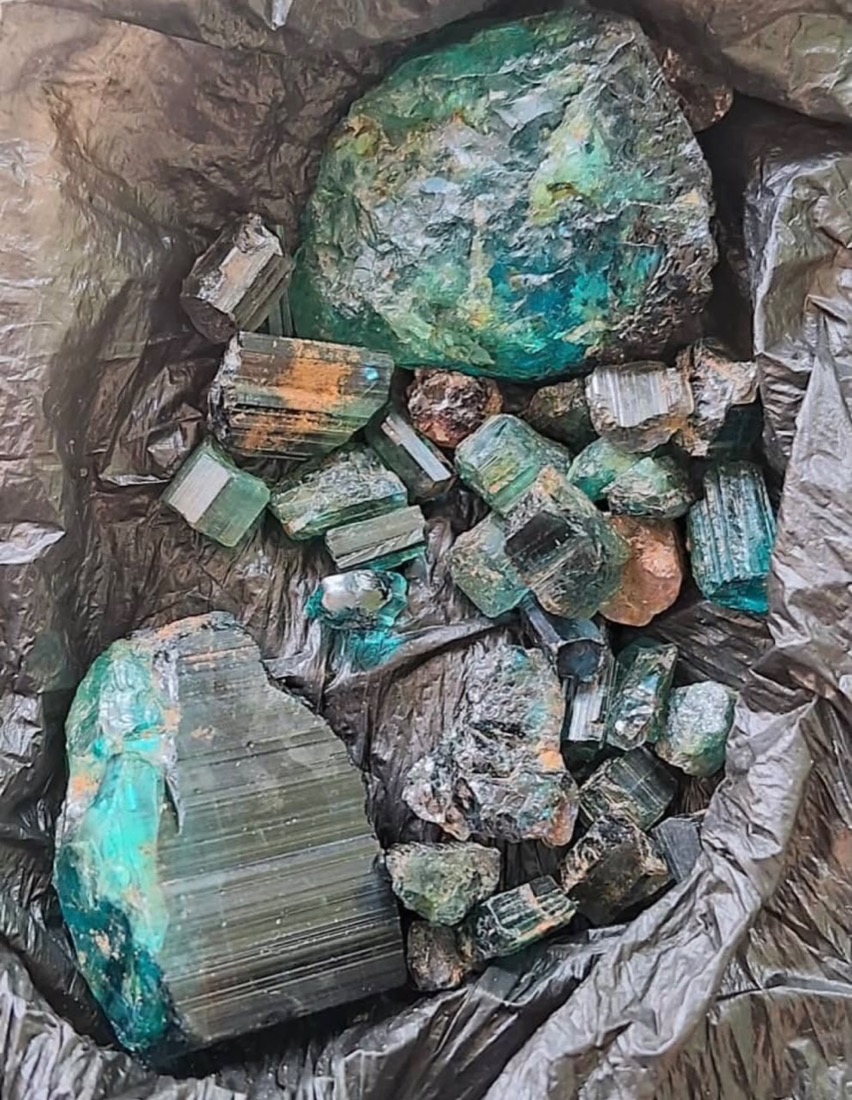
The term "Paraíba-type" trips up a lot of buyers, and understandably so. It sits right next to one of the most famous names in the coloured gemstone world, and it's easy to assume it's a polite way of saying "not quite the real thing." It isn't. It's a precise geological term, and understanding what it actually means will make you a sharper buyer.
Where the Name Comes From
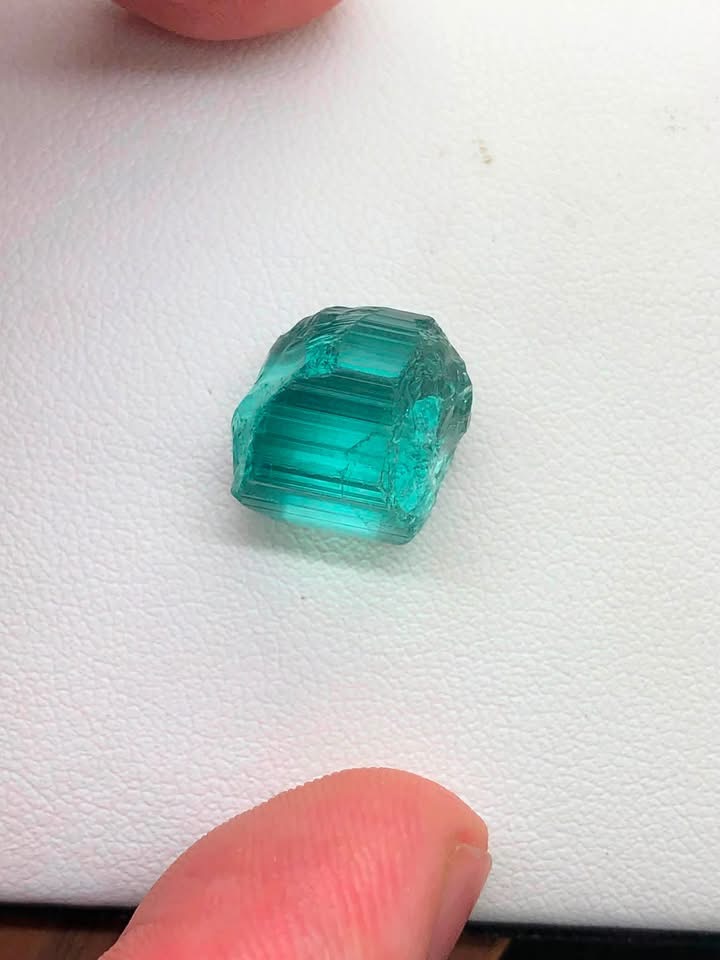
In the late 1980s, a deposit in Paraíba State, Brazil produced tourmaline unlike anything seen before: an electric, saturated blue-to-green colour with an almost glowing intensity. Gemmologists later determined the cause was copper, sometimes combined with manganese, acting as the chromophore — the element responsible for the colour. That original Brazilian material became known simply as Paraíba tourmaline, and it remains exceptionally rare and highly valued.
Why "Type" Gets Added
Years after the Brazilian discovery, geologically similar copper-bearing tourmaline was found in other countries, notably Nigeria and later Mozambique. Because this material shares the same chemistry and often a comparably vivid colour, but comes from a different locality, the trade adopted "Paraíba-type" (sometimes "Cuprian tourmaline" in strict lab language) to describe it accurately without implying it is literally from the original Brazilian deposit. It's a disclosure term, not a discount term.
The 2026 preliminary study by VP Consulting and the Laboratoire Français de Gemmologie on material from Abuloo village, Guji Zone, Ethiopia used exactly this framework, confirming copper-bearing elbaite tourmaline consistent with Paraíba-type material. Read the full findings in First Scientific Study Confirms Ethiopian Paraíba From Abuloo, Guji Zone.
What Actually Drives Value
For any copper-bearing tourmaline, whichever locality it's from, the same factors drive value: the intensity and evenness of colour, clarity, size, and cut quality. Origin affects rarity and, often, market price expectations — original Brazilian material commands the strongest premiums specifically because of its scarcity and history — but it does not, on its own, determine whether a given stone is beautiful or well-made.
What to Ask When Buying
- Ask for the stated or tested origin, and whether that origin is a preliminary field assessment or a laboratory-confirmed determination.
- Ask whether the term "Paraíba" or "Paraíba-type" is being used loosely as a marketing description or precisely as a gemmological classification.
- Judge the stone in front of you on its own colour, clarity and cut, not on the name alone.
We disclose origin and treatment status on the tourmaline we offer, including material from the Guji Zone locality behind the 2026 study. See our full Ethiopian Tourmaline page, or view current stones on our Available Stones listing.